Tribute Printed Pics
Introduction
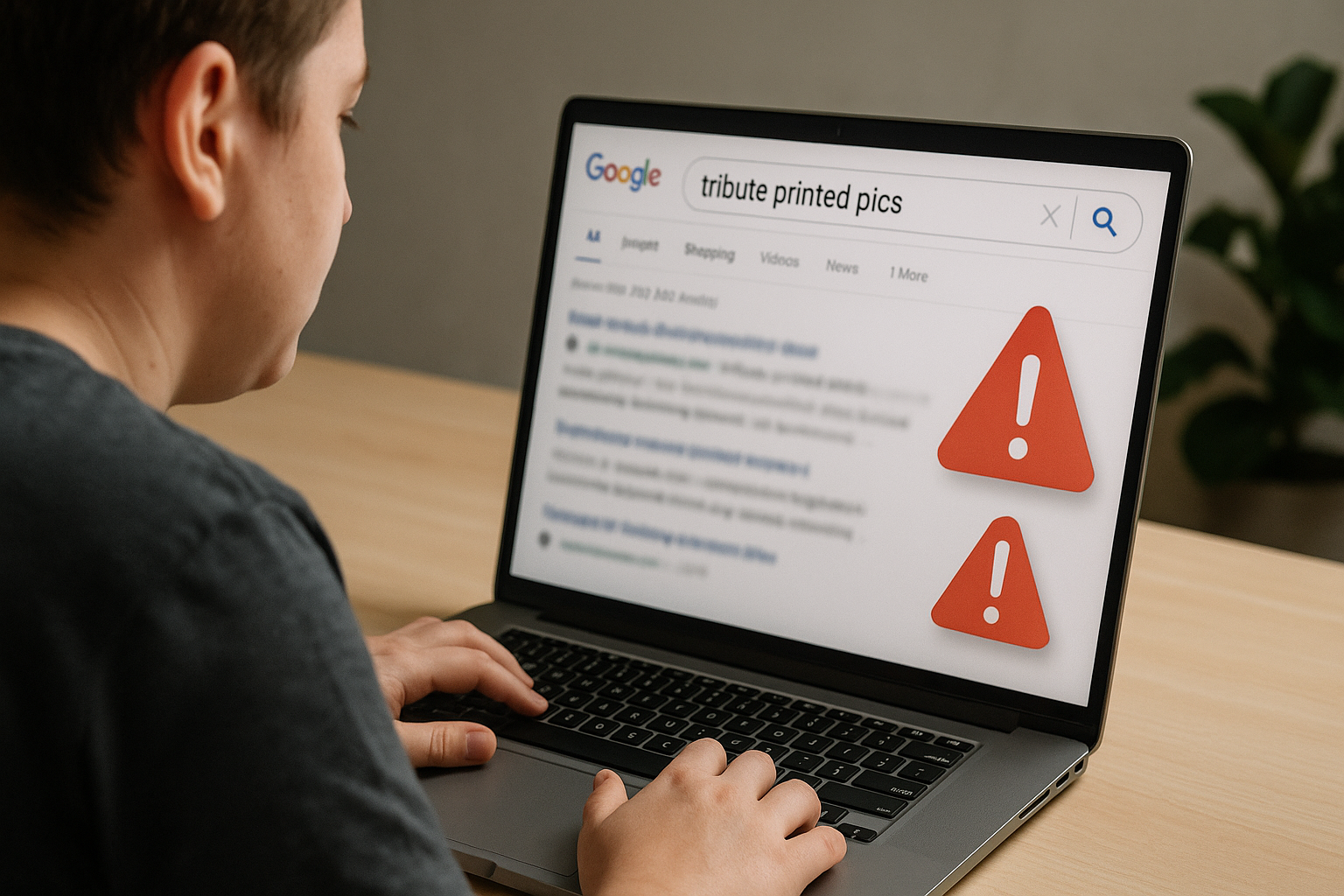
If you have ever searched for “tribute printed pics”, you’ve probably noticed it appears everywhere—Google search results, social media threads, shady websites, and even online forums. Many people search terms like tribute printed pics new, tribute printed pics replacement, or other variations, but they rarely understand what the phrase truly refers to or why it keeps trending.
This guide breaks everything down in simple language.
No unsafe content. No explicit material. Only clear explanations to help you stay informed and protected online.
By the end of this article, you’ll understand:
- What tribute printed pics actually means
- Why the term shows up across risky sites
- How scammers misuse this keyword
- The dangers of clicking unknown links
- How to browse safely and avoid harmful pages
- What safer and legal alternatives exist
Let’s begin by understanding the phrase itself.
What Are Tribute Printed Pics?
The phrase “tribute printed pics” does not come from a single official source. Instead, it is a search term created by internet users, and over time, scammers and unsafe websites started using it to attract clicks.
In most cases, the term refers to:
- Images that are claimed to be printed or downloadable
- Content promised by third-party or unknown websites
- Links marketed to drive traffic to suspicious platforms
- Misleading titles used to target curious users
- Pages designed to generate ad revenue or track user activity
It is not an official category, brand, or legitimate service.
Most of the time, the keyword appears in contexts where sites try to lure visitors with trending search phrases.
Why Do People Search for “Tribute Printed Pics”?
People search this term for several reasons:
1. Curiosity
The phrase sounds mysterious and unusual, making people wonder what it means.
2. Trending Search Queries
Search engines auto-suggest this keyword, so users follow the trend.
3. Misleading Promises
Some websites use the term to promise something “exclusive,” creating curiosity.
4. Confusion From Social Media
Platforms like Reddit, Telegram, and Discord often mention the term without explanation.
5. Misuse by Unreliable Websites
Many sites insert this keyword into unrelated topics to boost clicks.
How Scammers Misuse the Keyword
Scammers exploit tribute printed pics because:
- It is a trending keyword with high search volume
- Users searching for it don’t know what to expect
- It attracts curiosity clicks
- It allows websites to appear in “viral search” niches
- It is easy to manipulate for traffic and ads
Common scam patterns include:
- Fake download buttons
- Malware disguised as images
- Redirects to other unsafe pages
- Pop-up advertisements
- Clickbait posts that provide nothing
Because the phrase has no clear meaning, scammers take advantage of the confusion.
Risks of Clicking Unknown Tribute Printed Pics Links
Many users click search results without knowing the risks.
Here are some dangers associated with websites that misuse this keyword:
1. Malware & Viruses
Fake “image downloads” may install harmful files on your device.
2. Data Theft
Some sites track user activity, location, or personal information.
3. Phishing Pages
Pages may ask for your email, phone number, or login details.
4. Browser Hijacking
You may get redirected to multiple unfamiliar websites.
5. Fake Content
Many links provide no images at all—just ads and misleading content.
6. Adult or Unsafe Sites
Some websites attach unrelated adult content to the keyword, making the environment unsafe for general users.
Why Does This Term Often Appear on Risky Websites?
Because it is vague, undefined, and trending, many low-quality websites copy and paste the term to attract traffic.
You’ll commonly see it in:
- Clickbait blogs
- Spam websites
- Unverified forums
- Sites that generate revenue by pushing ads
- Auto-generated content pages
- Websites with no SSL security
These websites rely on confusing keywords to get visitors, then earn money through ads or trackers.
Is It Safe to Search for Tribute Printed Pics?
Searching the term itself is harmless.
Clicking the wrong link is not.
You must be careful about:
- Non-HTTPS websites
- Sites with too many popups
- Download buttons from unknown sources
- Pages requiring login or email to “view photos”
- Forums linking to external unsafe URLs
Always prioritize safety over curiosity.
How to Identify Safe and Legal Websites
When browsing, always check:
✔ Does the website have HTTPS security?
Look for a lock icon in your browser.
✔ Is the site a well-known platform?
Trusted platforms rarely use vague keywords like this.
✔ Are there excessive pop-ups or redirects?
Unsafe sites usually force multiple clicks.
✔ Is the content actually relevant and helpful?
If the page is full of ads and unrelated text, leave immediately.
✔ Do they ask for personal details?
Safe websites never require login to show public information.
Safer Alternatives for Image Content
If you are searching for printed images for design, decoration, or personal use, here are reliable platforms:
1. Pinterest
Safe ideas, designs, and printable formats.
2. Unsplash
Free high-quality images with legal usage rights.
3. Pexels
Another trusted source for free visuals.
4. Canva
Allows you to find images and print them professionally.
5. Etsy
Buy printable artwork directly from creators.
These platforms offer legal images, safe downloads, and high-quality print options.
Why “Tribute Printed Pics Replacement” Is Also Trending
People sometimes add the word “replacement” when:
- They clicked a broken link
- The image didn’t load
- The original content was deleted
- The website shut down
- They want a safer version of whatever they were looking for
In short, it usually means the first website they tried was unreliable.
How to Stay Safe Online When Searching Vague Keywords
Here are simple steps to avoid scams:
1. Never download files from unknown sites
Stick to verified image sources.
2. Use antivirus protection
A reliable antivirus can block risky downloads.
3. Avoid sites full of ads
Pop-up heavy pages are often unsafe.
4. Do not enter personal information
Your email or phone number should stay private.
5. Close the tab if your browser redirects unexpectedly
This is a sign of an unsafe domain.
6. Use a VPN if you want extra protection
A VPN hides your IP and location.
Why Google Auto-Suggest Shows Tribute Printed Pics
Google suggests terms based on:
- Trending searches
- High search volume
- Repeated user queries
- Auto-generated content sites reusing the keyword
However, trending does NOT equal safe.
It simply means people are searching for it — often without knowing what it means.
Should You Use This Keyword in SEO or Content?
If you run a blog or website, using tribute printed pics as a keyword is risky because:
- It may attract unwanted or unsafe traffic
- It has no clear meaning
- It may violate ad network policies depending on context
- It does not lead to meaningful user engagement
Instead, focus on keywords related to:
- Printable art
- Design inspiration
- Photo printing
- Safe download guides
These niches are far better for long-term SEO.
Frequently Asked Questions (FAQs)
1. What does “tribute printed pics” actually mean?
It is an internet-generated search term often used by low-quality or misleading websites. It does not have an official definition.
2. Are tribute printed pics safe to click?
Not always. Many links using this keyword lead to unsafe or scam pages. Always verify the website first.
3. Why are people searching for tribute printed pics?
Curiosity, trends, and misleading advertisements push this phrase across search engines and social media.
4. Can these links contain malware?
Yes. Fake download pages can install harmful files on your device.
5. What are safer alternatives for images?
Use trusted platforms like Pinterest, Canva, Pexels, Unsplash, and Etsy.
6. Why does the keyword show up on trending lists?
Because many people are searching for it—often without understanding its meaning—making it rise in Google’s auto-suggest.
Conclusion
Searching for tribute printed pics is common, but the keyword is often used by unreliable websites to attract clicks. This guide helped you understand what the term means, why it appears everywhere, and how to stay safe while browsing the internet.
If you’re looking for genuine printable images, always use trusted, legal platforms instead of vague trending keywords.
What do you think about the rise of vague internet search terms like this? Share your thoughts in the comments!
About the Author